 how-to
SORA Training for Beginners: A Step-by-Step Guide
Table of Contents
- What Is SORA Training and Why Beginners Need It
- Who Qualifies for SORA Certification
- How to Get a SORA License in New Jersey: The Complete Process
- What to Expect in SORA Training
- NJ SORA Training Online vs. In-Person Classes
- SORA Training Duration: Timeline From Start to License
- Common Mistakes Beginners Make, and How to Avoid Them
- Frequently Asked Questions
Last Updated: October 11, 2026
What Is SORA Training and Why Beginners Need It
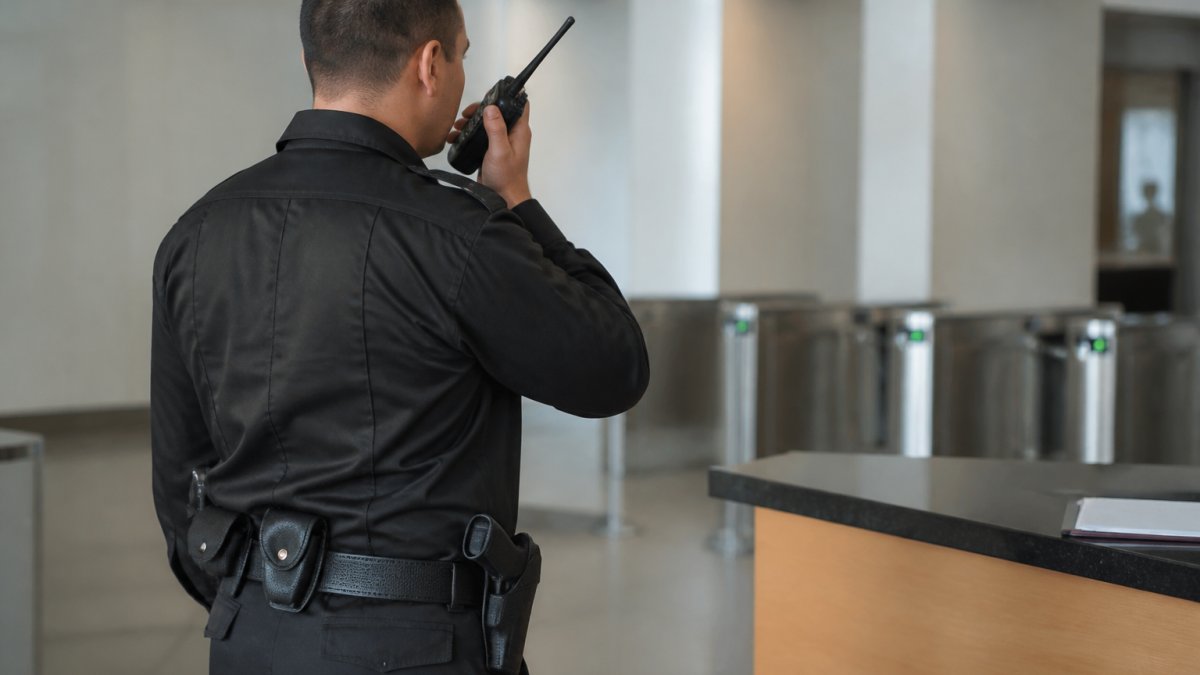
SORA training beginners must complete is the mandatory education course required to become a licensed security guard. SORA stands for Security Officer Registration Act. It's a 24-hour training program that covers the essential knowledge and skills you need to work legally in the security industry.
New Jersey requires all first-time security guard applicants to complete this training before they can apply for a license. The course teaches you legal responsibilities, how to handle conflicts, emergency procedures, and customer service skills. Without completing SORA training, you cannot get licensed, period.
The training removes guesswork and ensures you learn before you start, not on the job.
At Sora Center For Training, we guide new applicants through every step.
Who Qualifies for SORA Certification
Not everyone can apply for SORA certification. The state has specific eligibility requirements you must meet before you can enroll in training.
You must be at least 18 years old with a high school diploma or GED. Certain criminal convictions disqualify you; the state runs a background check, so honesty is essential.
Residency isn't required, but you need a valid ID. Out-of-state residents and non-citizens with legal work authorization can apply if they meet all other criteria.
Here's what disqualifies you:
- Felony convictions (certain violent crimes permanently bar you)
- Recent drug-related charges
- Domestic violence convictions
- Fraud or theft convictions
- Active restraining orders
If you have a criminal history, contact the New Jersey State Police before enrolling to confirm eligibility.
How to Get a SORA License in New Jersey: The Complete Process
Getting your SORA license involves three major steps: verify eligibility, complete training, and submit your application with fingerprinting. The entire process takes 4-8 weeks from start to finish.
Step 1: Verify Your Eligibility and Gather Required Documents
Before enrolling, confirm eligibility by calling the New Jersey State Police. Gather: valid photo ID, Social Security number, proof of high school diploma or GED, and documentation of any criminal record. Make two copies of each document, one for your training provider, one for your application.
Step 2: Enroll in Your SORA Training Course
Choose between online and in-person training; both meet state requirements. Contact Sora Center For Training or another approved provider with your full legal name, date of birth, contact information, and work schedule.
Step 3: Complete the Application and Fingerprinting
After finishing the 24-hour course, download the application from the New Jersey State Police website or your training provider. Fill it out completely and honestly. Schedule fingerprinting (takes about 10 minutes; many police departments offer this). Submit your completed application, fingerprinting results, and training certificate together. The state processes applications within 2-4 weeks.
What to Expect in SORA Training
SORA training covers practical security knowledge and legal requirements. The 24-hour course is split into modules. Understanding the structure and content beforehand helps you prepare mentally and logistically.
The Core Curriculum
Every approved provider must cover these state-mandated topics:
- Security Officer Duties and Legal Authority, Your powers of arrest, use of force limitations, and when to call police.
- De-escalation and Conflict Management, Verbal and non-verbal techniques to calm tense situations.
- Emergency Procedures and Evacuation, Response to fires, medical emergencies, active threats, and evacuations.
- Suspicious Activity Recognition and Reporting, How to spot and document theft, trespassing, or criminal intent.
- Report Writing and Documentation, How to write clear, factual incident reports.
- Customer Service and Professional Communication, How to interact professionally with the public.
- Ethical Standards and Professional Conduct, Confidentiality, impartiality, and avoiding conflicts of interest.
How Training Is Delivered
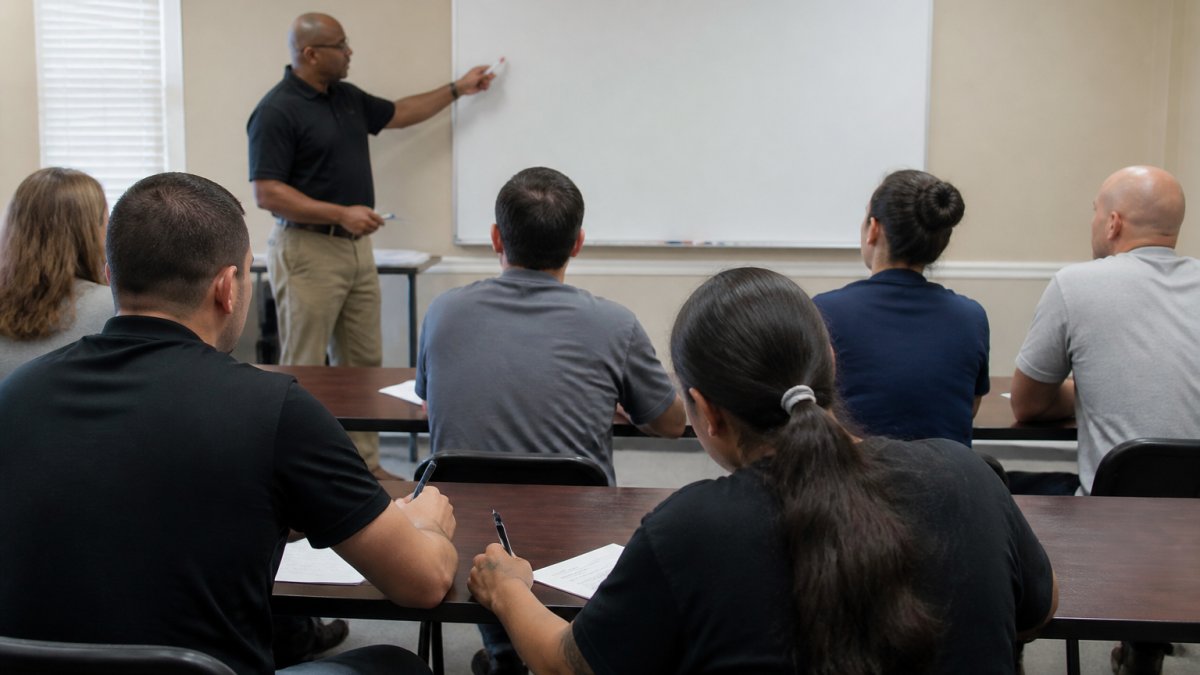
Instructors use lectures, video case studies, role-play scenarios, quizzes, and group discussions to teach the material and build confidence.
What to Prepare Before Your First Class
Prepare by reading any pre-course materials, getting good sleep, bringing a notebook, wearing comfortable professional clothing, staying fully present, and asking questions when needed.
The Pace and Intensity
In-person courses run 8 hours per day (typically split into morning and afternoon sessions with a lunch break). Online courses spread modules across weeks at 2-4 hours per session.
What You'll Know by the End
After completing the course, you'll understand your legal rights and limitations, recognize security threats, de-escalate situations, write incident reports, respond to emergencies, and understand professional ethics. You'll have foundational knowledge to work legally and safely.
NJ SORA Training Online vs. In-Person Classes
Both online and in-person SORA training meet state requirements and result in the same certificate. However, they differ significantly in schedule, interaction, hands-on learning, and how quickly you can start working. Your choice should depend on your work schedule, learning style, and how soon you need to be licensed.
In-Person Training: Intensive, Immersive, Fast
Interaction and Learning
Hands-On Practice
Practical Considerations
Cost
- In-person courses typically range from $300-$600 depending on the provider and location
- No additional software or equipment needed beyond a notebook and pen
Timeline to Employment
- Finish training: Day 3
- Submit application and fingerprinting: Week 2
- Receive license: Week 4-8
- Total time to employment: 4-8 weeks
Online Training: Flexible, Self-Paced, Longer Timeline
Online training is delivered through a learning platform. You complete modules on your own schedule over 3-6 weeks (2-4 hours per session, 2-4 sessions per week). Best for working adults with unpredictable schedules, parents, and people with long commutes.
Interaction and Learning You watch pre-recorded video lectures, complete quizzes, and access discussion forums. Some platforms offer optional live Q&A sessions. You can rewatch lectures multiple times, but feedback is asynchronous.
Hands-On Practice Role-play scenarios are video-based or text-based; you don't practice with another person in real time. Feedback may take 24-48 hours.
Practical Considerations No travel required, but you need a computer and reliable internet. Self-discipline is essential; missing deadlines may result in lost access or re-enrollment.
Cost
- Online courses typically range from $250-$500, sometimes slightly cheaper than in-person
- You may need to purchase or rent a computer if you don't have one
Timeline to Employment
- Finish training: Week 3-6
- Submit application and fingerprinting: Week 4-7
- Receive license: Week 8-12
- Total time to employment: 8-12 weeks
Side-by-Side Comparison
| Factor | In-Person | Online |
|---|---|---|
| Duration | 2-3 days | 3-6 weeks |
| Schedule Flexibility | Fixed dates, blocks of time | Flexible, self-paced within deadlines |
| Time to License | 4-8 weeks | 8-12 weeks |
| Role-Play Quality | Real-time with classmates, immediate feedback | Video examples or text-based, delayed feedback |
| Instructor Interaction | Live, in-person, immediate Q&A | Asynchronous, forums, optional live sessions |
| Cost | $300-$600 | $250-$500 |
| Travel Required | Yes | No |
| Self-Discipline Needed | Low (structured environment) | High (you manage your pace) |
| Best For | People who can take time off, prefer immersion | Working adults, flexible schedules, self-motivated learners |
How to Choose
Choose in-person if:
- You can take 2-3 days off work without penalty
- You learn better in a structured, immersive environment
- You want to practice role-play scenarios with real people
- You want to finish quickly and start job-hunting sooner
- You're motivated by peer learning and classroom energy
Choose online if:
- Your work schedule is unpredictable or you can't take consecutive days off
- You're a self-directed learner who doesn't need constant structure
- You have family or caregiving responsibilities that require flexibility
- You prefer to review material multiple times before moving forward
- You have a long commute or live far from training facilities
- You want to balance training with other commitments
A Note on Hands-On Readiness
Both formats meet state requirements. Your choice should align with your life circumstances and learning style, not on a belief that one is inherently "better."
SORA Training Duration: Timeline From Start to License
The entire process takes time. Complete training, gather documents, get fingerprinted, and submit your application. The state reviews your application within 2-4 weeks. Submit your application immediately after training to avoid delays.
Common Mistakes Beginners Make, and How to Avoid Them
SORA training beginners often make preventable errors that delay their license or cost them money.
Mistake 1: Not verifying eligibility first. Some people complete training only to discover they don't qualify for a license. You cannot get your money back. Always confirm eligibility with the state before enrolling.
Mistake 2: Choosing a provider that isn't state-approved. Not all training courses are recognized by the state. Verify that your provider is authorized by the New Jersey State Police. Sora Center For Training is an approved provider, so your certificate will be accepted.
Mistake 3: Incomplete application forms. Missing information or unclear answers delay processing. Read the application carefully. Answer every question. Double-check for typos. Call the state police if you're unsure how to answer something.
Mistake 4: Delaying fingerprinting. People complete training and then wait weeks to schedule fingerprinting. Schedule it immediately after your course ends. The sooner you get fingerprinted, the sooner the state can process your application.
Mistake 5: Not understanding the difference between training and licensing. Completing training doesn't mean you're licensed. Training is one step. You still must apply, get fingerprinted, and wait for state approval. Budget time and money for the full process.
Mistake 6: Assuming online and in-person certificates are different. They're not. Both meet state requirements. Your choice should be based on your schedule, not on a belief that one is "better."
Mistake 7: Not preparing for the course. Some students show up unprepared and struggle. Read any pre-course materials your provider sends. Get good sleep the night before. Bring a notebook and pen. Treat it like a job you want to keep.
Frequently Asked Questions
Is SORA training suitable for beginners with no security experience?
Yes. SORA training is designed for first-time applicants and beginners entering the security industry. The 24-hour certification course covers all foundational material required by New Jersey State Police, including legal responsibilities, emergency procedures, and customer service standards. No prior security experience is necessary. The training walks you through everything you need to know to pass the state certification exam and obtain your initial SORA license.
How long does it take to get a SORA license in New Jersey from start to finish?
The total timeline typically spans several weeks. This includes completing your 24-hour training course, submitting your application and fingerprints to New Jersey State Police, and waiting for background processing and approval. Most beginners can expect their license in hand within this window if all documents are submitted correctly.
Can first-time applicants complete SORA training online?
Yes. Many training providers offer virtual SORA training options for beginners. Online courses deliver the same 24-hour curriculum required by New Jersey State Police and meet all initial certification requirements. Virtual training offers flexibility for those working full-time or managing other commitments. You'll still need to complete in-person fingerprinting and submit physical documents as part of the application process, but the core training can be done entirely online.
What should I bring to my first SORA training class?
Bring a valid government-issued photo ID, notebook and pen, and any course materials provided by your training provider. If attending in-person, arrive early to allow time for check-in. Your training provider will send a detailed checklist before your start date. You'll also need to gather documents like your birth certificate, Social Security number, and driver's license for your state application, but these are not needed during the training itself.
Getting your SORA license opens the door to a stable career in security. The process is straightforward once you know what to expect. Start with eligibility verification, choose a training format that fits your life, and stay organized with your documents. Sora Center For Training walks you through each step, from enrollment through course completion. Register now and take the first step toward your security career. Your license is within reach.